Program Recertification Costs: Evidence from SNAP
Tatiana Homonoff and Jason Somerville
Contents
Abstract
Participants in means-tested programs must periodically document eligibility through a recertification process. If all cases that fail recertification are ineligible, the exact timing of this process should be irrelevant. We find that later recertification interview assignments for the Supplemental Nutrition Assistance Program (SNAP), which leave less time to reschedule missed interviews, decrease recertification success by 22 percent. The consequences of not recertifying due to later interviews are highly skewed: most cases quickly re-enroll, while one quarter remain off SNAP for over a year. The marginal disenrolled case is as needy as the average participant, suggesting inefficient screening from late interviews.
Introduction
Researchers have documented incomplete take-up across a wide variety of social programs, often citing lack of information about program availability, unfamiliarity with eligibility rules, or other application costs as barriers to take-up (Madrian and Shea 2001; Currie 2006; Chetty et al. 2013; Bhargava and Manoli 2015; Finkelstein and Notowidigdo 2019).1 In addition to overcoming barriers associated with initial enrollment, recipients of means-tested program benefits must document continued eligibility through a periodic recertification process. For example, the Supplemental Nutrition Assistance Program (SNAP) requires that recipients submit income verification and complete a caseworker interview at least once per year to maintain program access.
This paper examines the effect of one of the components of the SNAP recertification process – the timing of the recertification interview – to determine its effect on recertification and subsequent program participation. A substantial fraction of cases fail to recertify for SNAP: in San Francisco, for example, over half of active cases fail recertification. One possible explanation for this finding is that the majority of cases are no longer eligible, underlining the importance of the recertification process in ensuring program integrity. If all cases that do not recertify are ineligible for the program, the timing of the interview assignment should have no impact on recertification.
To successfully recertify for SNAP, recipients must complete a recertification interview by the end of the calendar month in which their certification period ends.2 In San Francisco, program administrators assign each case an initial interview date that is included in an appointment letter in their recertification packet. Specifically, these initial interview dates are randomly assigned across cases and staggered throughout the month to smooth caseworker workloads. Recipients may reschedule their interview for any point during the month, however, all recipients must complete the recertification process by the end of the calendar month regardless of the timing of the initial interview assignment. This means that recipients who are assigned an initial interview date at the start of the calendar month have more than four weeks to complete their recertification requirements post-interview assignment (such as rescheduling a missed interview or compiling income documentation), while others have as little as a few days.
To estimate the effect of interview date assignment on SNAP participation, we analyze administrative data from the San Francisco Human Services Agency (SF-HSA) on the universe of the county’s roughly 40,000 SNAP recertification cases from November 2014 to November 2016. The data contain information on recertification date, both initial and rescheduled interviews, recertification outcome, and subsequent reapplications for cases that fail to recertify. This data allows us to examine how the timing of the administrative process affects both recertification and subsequent participation by comparing outcomes for those who were randomly assigned to early versus late initial interview dates.
We find that initial interview assignment has a large and significant impact on recertification. Cases assigned to interviews at the end of the recertification month are 10 percentage points less likely to recertify than cases assigned to an interview at the start of the month, a 22 percent decrease. This suggests that the recertification process is an imperfect screening device for program eligibility – if eligibility was the sole determinant of recertification success, the date of the interview assignment would be irrelevant. Interview timing not only affects recertification success, but longer-term program participation as well: cases with interview assignments at the end of the month are over 2 percentage points less likely to ever participate in SNAP in the year following recertification. The marginal case that fails recertification due to later interview assignment is as needy as the average case, implying that interview timing does not improve targeting efficiency.
The financial consequences of not recertifying due to later interview assignments are large: the marginal disenrolled case loses an average of $550 in SNAP benefits in the year following recertification. However, estimates of average benefit losses mask substantial heterogeneity across these marginal recertification failures: roughly one quarter of cases that fail recertification due to later interview assignment remain off the program for at least one full year post-recertification, while the remaining three quarters of cases re-enter the program within weeks of being discontinued. This suggests that while the majority of cases may miss as little as a week of benefits, a quarter of these marginal failures lose over a year of benefits (up to roughly $2,000 per person). Additionally, program churn – recertification failure followed by subsequent re-enrollment – is not without its own costs: administrative expenses associated with cases that churn are up to twice as large as for cases that successfully recertify (Mills et al. 2014). This highlights important differences in the distribution of costs associated with recertification failure depending on the post-recertification outcome. Cases that remain off the program long-term suffer large private costs in the form of missed benefits, but create no additional costs to program administrators. In contrast, cases that churn experience smaller private costs, but generate large administrative costs.
We provide evidence to suggest that inattention or lack of awareness, coupled with difficulty in rescheduling missed appointments, may explain a substantial portion of the relationship between interview assignment and recertification. We find that cases with later interview assignments, which have less time to reschedule a missed appointment before the recertification deadline, are 7 percentage points less likely to complete an interview. However, we find no relationship between the initial interview assignment date and completion of this first interview, suggesting that some cases may have forgotten about or have been unaware of their interview assignment. Consistent with this interpretation, we find evidence that additional early alerts (such as missed interview voicemails or text communications) may partially mitigate the negative effects of late interviews. These results suggest that improved communication strategies on the part of program administrators may prevent eligible cases from losing program access. These findings also rationalize the inefficiency of targeting based on interview date, since inattention does not correlate with ineligibility.
Our results contribute to a growing literature detailing various barriers to initial program enrollment in three ways. First, several recent interventions demonstrate that informing likely eligible individuals about program availability leads to significant increases in enrollment (Armour 2018; Barr and Turner 2018; Bhargava and Manoli 2015). Other work shows that automatic enrollment, pre-population of application forms, and other types of application assistance lead to higher enrollment across a variety of programs (Madrian and Shea 2001; Bettinger et al. 2012; Finkelstein and Notowidigdo 2019). Conversely, increased application costs associated with local program office closures lead to significant decreases in program applications (Rossin-Slater 2013; Deshpande and Li 2019).
Second, studying recertification offers a unique opportunity to isolate the role of hassle costs as a barrier to program participation. It is often difficult to disentangle the various causes of incomplete program enrollment: factors such as stigma, lack of information, or transaction costs can interact – for example, stigma or hassle costs may impact whether an individual seeks program information. Recertification differs from initial enrollment in that current participants are already fully informed of the program and have chosen to participate in the program in spite of any associated stigma. Our findings contribute to a small, but growing literature on program recertification that shows that reminders (Castleman and Page 2016) and flexibility in the recertification process, such as phone interviews or online case management (Ganong and Liebman 2018; Gray 2019), can lead to higher rates of participation.3
Third, our results also contribute to a literature examining the relationship between hassle costs associated with program participation and targeting efficiency. While standard models suggest that application costs improve targeting efficiency (Nichols and Zeckhauser 1982), alternative models suggest that these costs can worsen targeting efficiency (Deshpande and Li 2019). We find that the marginal disenrolled case is no more needy in terms of benefit level than the average participant, suggesting inefficient screening from late interviews. These findings are in line with some prior empirical findings on heterogeneity in response to barriers to program take-up (Currie and Grogger 2001; Bhargava and Manoli 2015; Deshpande and Li 2019), while standing in contrast to others (Alatas et al. 2016; Finkelstein and Notowidigdo 2019). Our conclusion that recertification is an inefficient sorting device is consistent with our results that suggest that inattention is the key driver of the relationship between interview timing and recertification – unless inattention is correlated with eligibility or need, we would not expect that later interviews should improve efficiency.
This paper is organized as follows. Section I reviews the institutional background on SNAP recertification. Section II describes the recertification and interview assignment process. Section III describes the data sources used in the empirical analysis. Section IV presents descriptive statistics. Section V estimates of the effect of interview timing on recertification and program participation. Section VI examines the effect of interview timing on program efficiency. Section VII discusses possible mechanisms. Section VIII concludes.
I. Institutional Background
The Supplemental Nutrition Assistance Program (SNAP) is the largest nutritional assistance program in the United States, serving over 42 million individuals at an annual cost of $69 billion (CBO 2018). The program provides monthly food vouchers to low-income households via Electronic Benefits Transfer (EBT) cards with an average monthly benefit of $126 per person. The program is federally funded but administered by the states who are responsible for determining eligibility and distributing benefits.
SNAP is a means-tested program meaning that all recipients are subject to income eligibility requirements determined by the state.4 To ensure that individuals receiving SNAP are eligible for program benefits, recipients must complete a recertification process at the end of each certification period. Certification periods are typically between six and twelve months long, though the exact length varies by state and household composition.5
To successfully recertify, cases must complete the following three steps in any order by the end of the certification period. First, cases must fill out and submit a recertification application. This form elicits detailed information on household composition, income, and expenses to determine eligibility and benefit amount. Second, cases must submit documents (e.g., pay stubs) to verify income and other household circumstances described in the recertification application. Finally, cases must complete a scheduled interview with a SNAP caseworker, either in-person or over the phone. These interviews do not entail a determination of eligibility, but rather are intended to assist the recipient with the recertification process, for example, by clarifying documents required for income verification or helping to complete the recertification forms. At the same time, completion of a caseworker interview at least once every 12 months is a federal requirement for SNAP recertification – eligible cases that do not complete the interview cannot successfully recertify.
Cases that fail recertification, either due to ineligibility or by not completing one of the steps of the recertification process, are terminated from the program at the end of the certification period. Discontinued cases may reapply for the program by initiating a new application (rather than the streamlined recertification process). Importantly, enrollment is not retroactive for these cases: benefits are prorated from the time the case is discontinued until the date that the new application is successfully processed and may be received with a delay. This suggests that even short exit spells could result in substantial benefit losses; for example, a household of four could lose up to $150 in benefits in just one week.
II. CalFresh Recertification and Interview Assignment Process
CalFresh, California’s SNAP program, served over two million households at an annual cost of seven billion dollars in 2016. California has one of the lowest SNAP take-up rates in the country at 72 percent (Cunnyngham 2019) while at the same time, California is the second most administratively costly SNAP agency in the country. Annual certification-related state administrative expenses, which account for 76 percent of all expenses nationally, are over $600 per case in California, more than twice the national average (Geller et al. 2019).
The majority of CalFresh recipients must recertify for the program every twelve months.6 To understand the timing of the recertification process, consider a case whose certification period ends in June 2016. All certification periods end on the last day of the calendar month, so in our example, recertification must be completed by June 30, 2016. The recertification process begins with a Notice of Expiration of Certification which is generated and sent to all cases 45 days before the end of the certification period, on May 15, 2016 in our example. This notice alerts cases that the end of their certification period is approaching, briefly details the recertification process, and informs them that they will be receiving a detailed recertification packet and interview assignment in the mail (See Appendix Figure 1 for an example of this form and other forms used in the recertification process). Cases that have opted in to receive text updates, roughly one quarter of all cases in our sample, also receive a communication within the next few days informing them that their certification period is ending.
Case workers then assign each case an initial interview date to take place within the first four weeks of June. Around the third week of May, case workers send out the Recertification, Reauthorization, and Renewal (RRR) packets.7 These packets contain the recertification form (CF-37), an interview appointment letter, and several other unrelated forms such as voter registration forms. Cases are asked to provide detailed information on the income and expenses for all household members, along with income verification, for the calendar month prior to the end of the certification period (May 2016 in our example).
The appointment letter contains information on the initial interview date assignment and the interview time. Cases that provided a phone number on the initial application or subsequent case updates are assigned phone interviews; all other cases are assigned an in-person interview at the local SNAP office.8 The letter also provides information on how to reschedule the interview if the recipient has a conflict. Recipients may reschedule their interview or complete an on-demand walk-in interview at the SNAP offices at any time during the recertification month. If a recipient misses the scheduled interview, the case receives a notice of missed interview and, if a phone number was provided, a voicemail instructing them to contact a case worker to reschedule their interview. All cases that place a request to reschedule before the end of the certification period are granted a new interview, even on the last day of the recertification month.
In San Francisco, the county in which our study takes place, program administrators assign interviews throughout the recertification month, staggering them to smooth caseworker workload. The interview assignment process is as follows. Caseworkers are given the full list of cases whose certification period ends in the following month. These cases are grouped by case language and appointment type (phone or in-person). Cases are sorted within group by Case ID number and, subsequently, the list of available interview dates is repeatedly appended to the case list until all cases are assigned an initial interview date.9 For example, if there are 20 possible interview dates for Spanish language phone interviews in the month of June 2016, cases 1, 21, and 41 would be assigned to the first interview date, cases 2, 22, and 42 would be assigned to the second interview date, and so on. As a result, this assignment process produces as-good-as-random assignment of each case to its initial interview date conditional on month by case language by interview type (the “assignment group”).
Figure 1 presents a graph of the distribution of initial interview dates for the recertification cases in our study population (described in Section III). The distribution is approximately uniform across the first three weeks of the month with fewer interviews scheduled after the 23rd of the month. This is largely due to the fact that interviews were not scheduled after the 24th during the first few months of our study period, but also partly due to a larger number of holidays falling at the end of the calendar month.
Regardless of when a case’s initial interview is scheduled, all cases must complete the recertification process by the last day of the calendar month of their certification period. While interviews can be rescheduled for any time within the recertification month, only 6 percent of cases reschedule their interview prior to the randomly assigned interview date. Therefore, most cases that are assigned an initial interview date at the beginning of the month have over four weeks post-interview to complete the process – for example, to reschedule a missed interview, fix errors in the recertification application, or gather income verification documentation – while cases that are assigned an interview at the end of the month may only have a few days.
III. Data
Our data contain the universe of SNAP cases in San Francisco County scheduled for recertification between November 2014 and November 2016 provided by the San Francisco Human Services Agency (SF-HSA).10 The data include the case’s recertification month, the date the recertification packet was sent, and an indicator for whether the case recertified or was discontinued from the program. We then combine this data with information on all interviews scheduled with the SNAP office, including interviews assigned by the SNAP office as well as interviews that were rescheduled by the program participant. Importantly, the data also include the date on which the appointment was created, allowing us to determine the initially assigned interview date. The data include the date and time of all scheduled interviews and whether the interview was successfully completed. We also obtain data on all walk-in appointments, as cases can complete an on-demand interview by visiting a SNAP office. Records on the submission of recertification forms and verification documents, such as income verification documents were not available.
We exclude recertification cases that were inconsistent with administrative guidelines for scheduling interviews. First, we exclude cases that were sent a recertification packet but were not assigned a caseworker interview.11 Next, we drop cases in which the first interview was assigned in the recertification month or before the 13th of the month prior to the recertification month as these interviews are typically scheduled around the 15th of the month prior to recertification and deviations from this schedule suggest that the interview assignment may not have followed the typical assignment process; for similar reasons, we also exclude the small number of cases whose interviews were scheduled to take place less than seven days after the recertification packets were sent and interviews assigned on dates after the 28th day of the recertification month.
We make two additional sample restrictions. Caseworkers are matched to recipients based on their ability to conduct interviews in the recipient’s language. While the interview assignment process for cases speaking non-major languages (Russian, Tagalog, and Vietnamese) generally follows the process described in Section II, assignment is constrained by the availability of staff who speak these languages. As a result, we drop the roughly 3 percent of cases that were conducted in one of the three non-major case languages. Finally, conversations with staff suggest that caseworkers experience particularly heavy call volumes on the first day the calendar month, the day on which benefits to recipients who fail recertification are discontinued. To avoid potential interactions with increased workload on this date, we exclude cases assigned to interview dates on the first of the month, though our results are robust to including these cases. This leaves us with a final sample of 39,360 recertification events across 30,241 unique cases.
To examine the effect of initial interview assignment on post-recertification outcomes, we merge our sample to data on all subsequent SNAP applications through October 2017. This data allows us to follow the recertification cases in our sample for a year after the end of their certification period. From this data, we are able to determine whether a case that failed recertification rejoined the program within the following months (i.e., churned), or if the recertification process resulted in a longer-term discontinuance from the program.
We then link identifiers for all individuals associated with a recertification case to administrative data from the Employment Development Department (EDD). These data contain individual wage earnings in each quarter provided by employers for all individuals associated with a case for a year after the end of the certification period. While caseworkers have access to this data source, the data is provided with a lag and so EDD data is not used as part of the recertification process to assess eligibility.
The data also include detailed demographic information on the case and the head of household. These data include information that is required as part of the initial SNAP application process, such as household size and composition, and is updated through prior recertifications or semi-annual reporting. The data also contain information from administrative sources on each case’s SNAP participation history including the case’s initial enrollment date and the monthly benefit amount at the time of recertification. Lastly, the data include information about the head of household including date of birth, sex, ethnicity, and citizenship status.
Finally, we collected data on receipt of text communications sent to cases that opted in to this voluntary program. These communications were used throughout our study period, however, San Francisco only began collecting individual-level data on receipt of texts for cases due for recertification in October 2015 and after. As a result, all analyses involving these data are restricted to this time period.
IV. Descriptive Statistics
A. Demographics and Randomization Checks
Table 1 presents summary statistics of the demographic characteristics of SNAP participants. Since our study focuses on the county of San Francisco – a large, urban city – we present these summary statistics for a nationally-representative sample of SNAP recipients using data from the USDA’s SNAP Quality Control System nationwide and for the state of California (columns 1 and 2) as well as for our study population (column 3). A few characteristics of our sample are worth comparing to this nationally-representative population. First, the average size of the households in our population is somewhat smaller than the average SNAP household with just under one third of households in our sample reporting at least one child compared to 40 percent of SNAP households nationwide. San Francisco SNAP households are more likely to receive the maximum SNAP benefit (63 versus 39 percent), more likely to be receiving wage earnings (34 versus 28 percent), more racially diverse (79 versus 54 percent non-white), less likely to have a female head of household (46 versus 68 percent), and less likely to be headed by a US citizen (77 versus 85 percent) than SNAP households nationwide.
Columns 4 and 5 present demographic characteristics of our sample separately for cases with early initial interview dates (before the 14th of the month) versus late interview dates (between the 14th and 28th of the month). The average demographic make-up of cases initially assigned to early versus later interview dates are quite similar. Column 6 presents results from a test for equality of means between these groups. Differences for most characteristics are small and not statistically significant, suggesting that interview date assignment was not correlated with observed case demographics. We do observe a small but statistically significant difference in citizenship for those assigned early versus late interviews. We explore the sensitivity of our results to the inclusion of these controls in the following section.
B. Recertification Outcomes
Table 2 presents summary statistics on various outcomes related to the recertification process. Just over three quarters of our sample completed a caseworker interview. For the majority of cases, the interview was completed on the first attempt – that is, the initially assigned interview or, for the small fraction of cases that reschedule in advance of the initially assigned date, the reassigned interview date. It is important to note that interview completion does not include a determination of eligibility; interview completion is necessary to complete recertification, but it is not sufficient. Overall, we find that 48 percent of cases successfully recertified.
That over half of all cases fail recertification highlights the potential importance of the recertification process itself: if many SNAP recipients have not maintained eligibility for the program over time, periodic eligibility verification ensures program integrity and contains the costs of the program. However, a few descriptive statistics suggest that many discontinued cases failed recertification in spite of maintaining eligibility.
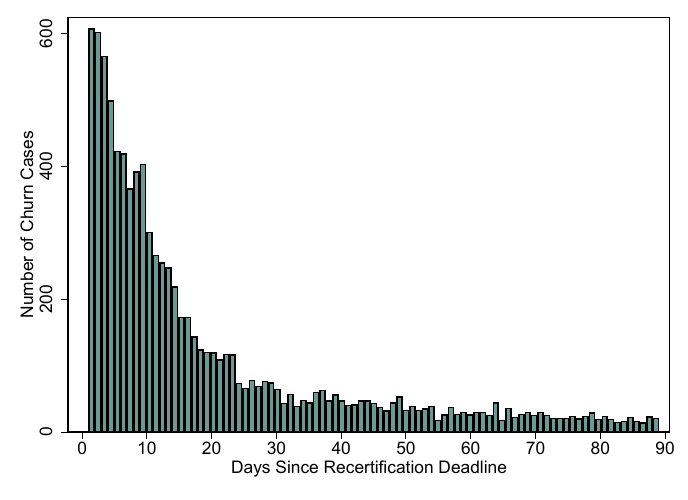
First, over half of cases that fail recertification successfully reapply for SNAP within the subsequent months, yielding a 90-day churn rate of 46 percent. In other words, roughly one quarter of the cases in our sample failed recertification and were discontinued from the program, but were deemed eligible within the following months, many within weeks.12 While it is possible that short-term income fluctuations could generate this month-to-month pattern of SNAP eligibility, this would imply that a substantial fraction cases were ineligible at the time of recertification, but became eligible almost immediately after.
Second, we use quarterly administrative wage earnings data to directly estimate the eligibility of recertification cases in our sample. Table 3 presents the fraction of recertification cases with wage earnings below the gross income limit for SNAP eligibility in California (200 percent FPL) as well as the proportion of cases with no wage earnings at all. We provide these estimates for the full sample as well as by post-recertification outcome: those that recertified, churned (both before and after 90 days), and those that remained off the program for at least 12 months after failing recertification. Figure 2 plots the average quarterly earnings in the recertification quarter and the four quarters pre- and post-recertification for the same groups.
We find that estimated eligibility for cases that recertified and those that churned within 90 days are very similar: nearly 100 percent of cases in both groups have average monthly wage earnings below the gross income limit during the recertification quarter and over two-thirds have no wage earnings at all. Average quarterly earnings estimates at recertification are roughly twice as high for longer-term discontinued cases than for cases that recertify; nonetheless, 85 percent of cases that remain off the program for a full year have average quarterly wage earnings below the SNAP gross income limit during the recertification quarter and 58 percent have no wage earnings at all. For the six percent of cases that churn after 90 days but before the end of the year, we find that average earnings decrease in the post-recertification year suggesting that these cases may have failed recertification due to ineligibility, but successfully reapplied once their earnings fell. However, as with the long-term discontinued cases, the level of earnings in the recertification quarter suggests that many of these cases may have been discontinued in spite of maintained eligibility as well.
Determining eligibility for cases that do not complete the recertification process is challenging, even with third-party administrative wage data. One notable limitation is that our data excludes non-wage income, such as Social Security or self-employment income.13 However, our estimates of eligibility are consistent with others found in the literature: for example, Gray (2019) estimates that roughly half of SNAP cases that exit the program for over a month are still eligible for the program.
V. Effects of Interview Assignment
The descriptive statistics in the prior section suggest that at least a portion of cases that fail recertification may have maintained eligibility for the program. One possible explanation is that eligible participants fail recertification because elements of the administrative process may be difficult to complete. This section looks at the effect of one of the components of the recertification process – the timing of the initially assigned interview date – to determine its effect on recertification and subsequent program participation.
We use the following econometric model to estimate the impact of initial interview day assignment on recertification and post-recertification outcomes:
\[ Y_{it}=\alpha+\gamma InterviewDay_{it}+\beta AssignmentGroup_{it}+\eta x_{it}+\varepsilon_{it} \tag{1} \]
where \(Y_{it}\) is an indicator for whether case \(i\) successfully recertified in month \(t\), \(InterviewDay_{it}\) is the calendar day of the assigned interview, \(AssignmentGroup_{it}\) is a vector of characteristics used in the interview assignment process (recertification month by case language by interview type), and \(x_{it}\) is a set of case characteristics.14
A. Recertification
Table 4, Panel A estimates the effect of interview assignment on recertification success. Column 1 presents the simplest specification, controlling only for the interview assignment group. This model estimates that a one-day delay in the initially assigned interview reduces the likelihood of recertifying by 0.38 percentage points (95% CI: -0.44, -0.31). This implies that a case assigned to the last interview assignment of the month is 10.6 percentage points less likely to recertify than a case assigned an interview on the first of the month – a 22 percent decline in the recertification rate off the mean. Importantly, these findings soundly reject a model in which all cases that fail recertification are ineligible – if this were the case, interview date should be irrelevant.
We perform several robustness checks. First, the inclusion of the additional case demographic controls does not impact our estimate (column 2). Second, the characterization of the interview assignment process as as-good-as-random relies on the sorting process described in Section II. Alternative sorting processes or implementation errors may have resulted in a correlation between Case ID and the assigned interview date. While we do not have access to Case ID, we do have data on the year in which a case joined the program – the only economically meaningful information contained in the Case ID itself. To ensure that accidental deviations from the sort process we describe are not driving our results, column 3, our preferred specification, includes fixed effects for the initial application year. We find that the inclusion of these controls yields a very similar estimate of the effect of interview day assignment on recertification.
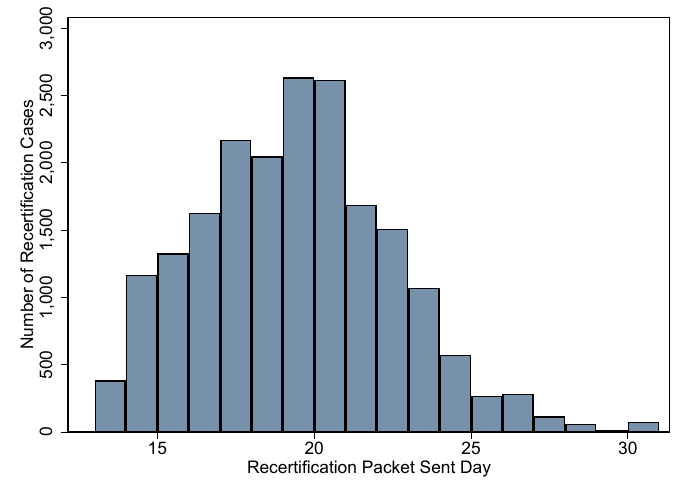
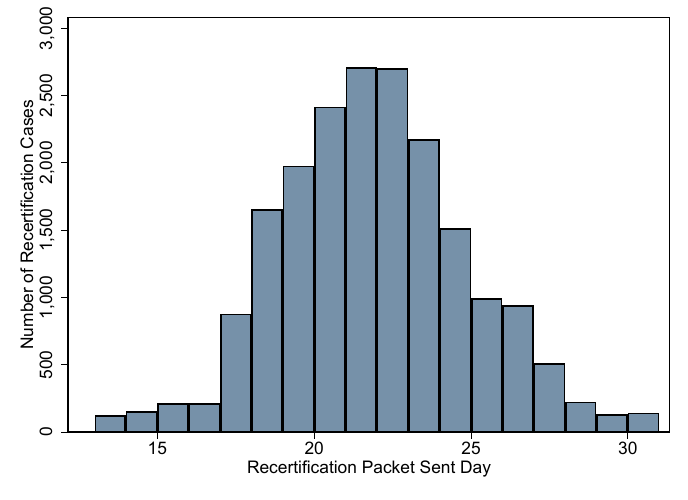
As mentioned in Section II, we observe a correlation between interview assignment and the recertification packet sent date: on average, cases with assigned interviews in the first half of the recertification month receive their recertification packets two to three days earlier than those with interview dates assigned in the second half of the month. Column 4 controls for the day on which the recertification packet was sent to the case and shows only a small decrease in the effect of interview assignment.15
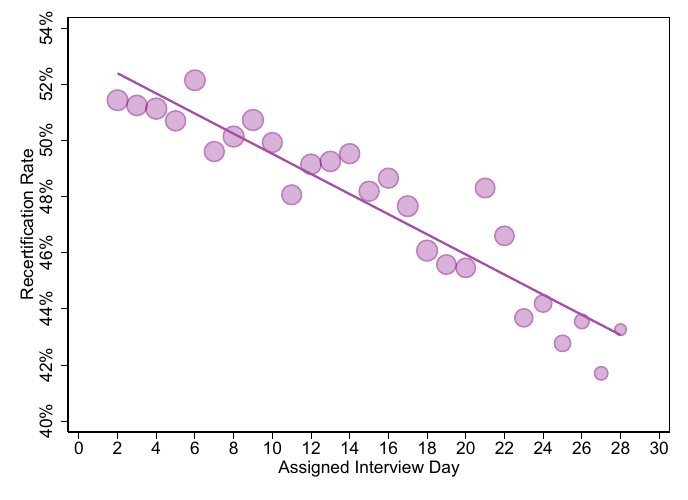
Lastly, to account for potential non-linearities in the effect of interview day on recertification success, column 5 replaces the linear term for interview day with interview week dummies. The results confirm that the likelihood of recertifying monotonically decreases with interview date assignment. Cases with initial interviews in the second, third, and fourth weeks of the month are 1.6, 4.2, and 7.6 percentage points less likely to recertify relative to cases with initial interviews in the first week of the month. These estimates are not only statistically significantly different from the recertification rate of those with initial interviews in the first week, but they are also significantly different from each other at the 1 percent level.16 Figure 3a complements this analysis by plotting the recertification rate by initial interview date assignment. The figure confirms that there is an approximately linear downward trend in the probability of recertifying.
B. Program Participation
The costs of recertification failure induced by interview date assignment depend on if and when the cases that failed recertification rejoin the program. This section uses data on re-applications to SNAP in the year following recertification to determine the effect of interview date assignment on post-recertification program participation. As is the case with recertification, if all disenrolled cases that remain off the program are ineligible for benefits, we would not expect interview date assignment to have an impact on longer-term participation. However, if eligible cases that fail recertification due to later interview assignments do not subsequently reapply for the program, for example, due to costs associated with the reapplication process or confusion about their eligibility, interview assignment may influence longer-term participation as well.17
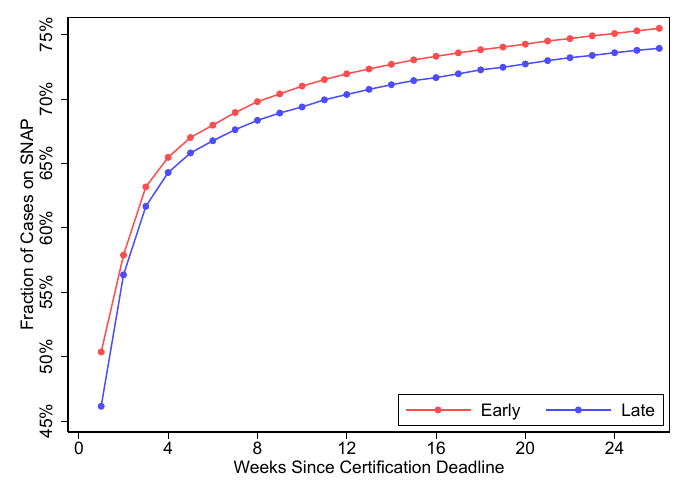
Table 4, Panel B repeats the analyses in Panel A, but considers the effect of interview date assignment on the likelihood of ever being on SNAP in the year following recertification. Specifically, the outcome variable is an indicator that equals one if the case either recertified or if the case failed recertification, but successfully reapplied for the program at any point in the following year. We find evidence that interview timing not only decreases recertification success, but longer-term program participation as well. Our preferred specification, column 3, shows that a one-day delay in the assigned interview date leads to a 0.08 percentage point decrease (95% CI: -0.14, -0.03) in the likelihood of receiving SNAP at any point in the year following recertification. This estimate implies that a case assigned to an interview date on the first of the month versus the end of the month is 2.3 percentage points less likely to remain off the program for at least a year post-recertification off a base of 22 percent. Figure 3b presents the fraction of cases ever on SNAP in the post-recertification year by initial interview date assignment.
Table 5 presents an alternative specification in which we estimate the effect of recertification failure on SNAP receipt in the post-recertification year using the assigned interview date as an instrument for recertification failure. If the exclusion restriction holds, in that interview date assignment only affects SNAP participation through its effect on recertification success, this analysis can be interpreted as the effect of exogenously decertifying a case on future benefit receipt. The estimating equations take the following form where \(Y\) is a measure of post-recertification benefit receipt, \(FailRecert\) is an indicator for failing recertification, and \(x\) is the set of control variables used in column 3 of Table 4:
\[ Y_{it}=\beta_{0}+\beta_{1}FailRecert_{it}+\beta_{2}x_{it}+\varepsilon_{it} \tag{2} \]
\[ FailRecert_{it}=\alpha_{0}+\alpha_{1}InterviewDay_{it}+\alpha_{2}x_{it}+\varepsilon_{it} \tag{3} \]
In column 1, our outcome of interest is the same as in Panel B of Table 4, an indicator for ever having participated in SNAP in the year following recertification. If all cases that fail recertification due to later interview assignment churn back onto the program within the following year, we should observe a coefficient of zero; alternatively, if these cases do not re-enter the program after failing recertification, we should observe a coefficient of -100 percentage points. We find that the marginal case that fails recertification solely due to receiving a later interview assignment is 22.4 percentage points (95% CI: -35.9, -8.9) less likely to participate in SNAP at any point during the year post-recertification than a case that did not fail recertification. In other words, roughly one quarter of these marginal cases remain off SNAP long term, while the remaining three quarters re-enter the program at some point during the post-recertification year.
To investigate the time it takes for these marginal cases to re-enter the program, Figure 5 repeats the analysis in column 2 of Table 4 separately for each week in the year following recertification. Specifically, each point in the figure represents the coefficient on \(InterviewDay\) in equation (1) in which the outcome is an indicator for participating in SNAP in the given post-recertification week.18 We find a large effect of interview date assignment on participation in the first week post-recertification. This estimate shrinks to roughly one third of the size in the following weeks, leveling off at around one quarter of the initial size for most of the rest of the year. This suggests that the marginal cases that churn back onto the program do so very shortly after failing recertification.19
VI. Interview Assignment and Program Efficiency
A. Welfare Implications
Recertification failure induced by later interview assignment is associated with several costs including lost benefits for participants and additional administrative costs for program offices. This section estimates several of these costs to assess the welfare consequences of the timing of interview assignments.
To measure the cost of lost benefits to cases that failed recertification, column 2 of Table 5 uses our instrumental variables approach to estimate the effect of recertification failure on benefit receipt in dollars in the post-recertification year. We estimate significant losses in benefit dollars: recertification failure induced by later interview assignment leads to an average loss in annual benefits of $558 (95% CI: 169, 948). However, the financial costs of recertification failure for individual cases differ substantially depending on the post-recertification outcome. The prior section found that one quarter of cases that fail recertification due to later interview dates remain off SNAP for at least a full year while the remaining three quarters churn back onto the program, often within the first weeks. While this latter group eventually re-enters the program, enrollment is not retroactive. This means that cases that are discontinued from the program because they miss the recertification deadline receive prorated benefits even when they successfully reapply shortly after.
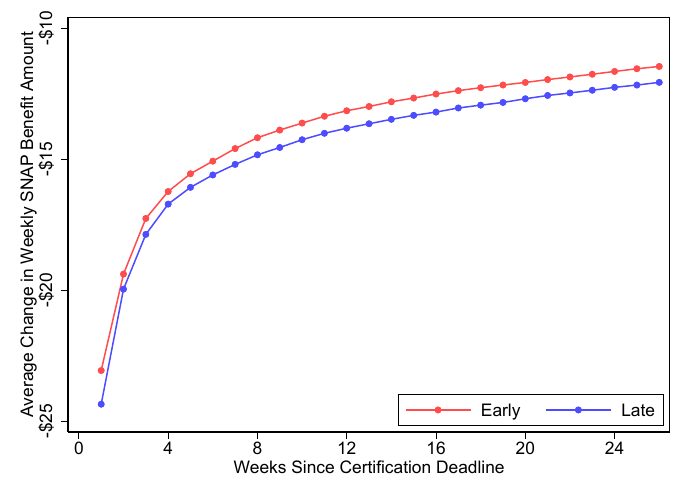
Figure 6 repeats the analysis in Table 5, column 2 separately for each week in the post-recertification year.20 We find that the effect of recertification failure on benefit receipt in the first week post-recertification is $35.21 This suggests that the effects of recertification failure are highly skewed: cases that churn back on the program may lose as little as $35, while cases that remain off the program for a full year could lose up to $2,300 for a single-person household or $7,700 for a family of four.
It is important to note that while the losses to cases that churn may be small in financial terms, they are not without costs to the individual. Qualitative interviews with SNAP recipients demonstrate that benefit loss associated with recertification failure creates considerable stress regardless of subsequent reapplication success (Edin et al. 2013). Research on the intramonth SNAP benefit cycle suggests that recipients experience nutrition-related health shocks and decreases in caloric intake at the end of the monthly benefit cycle when when many households have exhausted their monthly benefits (Shapiro 2005; Seligman et al. 2014). This suggests that even short-term benefit gaps may generate substantial externalities for SNAP recipients and their communities.22
Additionally, cases that fail recertification, but reapply shortly after, create additional administrative costs associated with processing new applications that are more in-depth than those in the recertification process. Mills et al. (2014) estimates that the administrative costs associated with cases that churn are twice as large as that for cases that successfully recertify. Using data from six states, they estimate that each case that churns costs program administrators an additional $80; however, the average certification-related costs in California are over $600 per case, roughly three times as high as those in the states studied in Mills et al. (2014), suggesting that the costs associated with churn are likely even higher in our context.23
This highlights an interesting difference in the distribution of costs for the two groups of cases that fail recertification – cases that remain off SNAP long term and cases that churn. Eligible cases that fail recertification and remain off the program incur substantial private costs in the form of missed benefits, however, they do not generate any additional processing costs for program administrators. In contrast, cases that churn suffer smaller losses in benefit receipt, but generate larger costs for program administrators.
B. Targeting Efficiency
In Section V, we show that the recertification process is an imperfect screening tool for ineligibility and that many cases that are disenrolled as a result of receiving later interview assignments suffer large losses in benefits. Nevertheless, later interview assignments may improve program efficiency if the cases that are screened out have a lower marginal utility from program benefits if the hassle costs associated with recertification disproportionately discourage individuals with a higher opportunity cost of time (Nichols and Zeckhauser 1982). However, if application costs are related to cognitive costs, rather than time costs, then hassle costs can worsen targeting efficiency (Deshpande and Li 2019).24
Previous research on targeting efficiency estimates how the effect of application costs on program participation differs by observable characteristics that are plausibly correlated with marginal utility from program benefits.25 Table 6 follows this approach and estimates heterogeneity in the effect of interview date assignment on recertification success and subsequent program participation by interacting \(InterviewDay\) from equation (1) with case characteristics plausibly associated with marginal utility from program participation. Specifically, we focus on heterogeneity by the case’s prior year SNAP benefit level. We consider two measures of benefit receipt: the benefit amount itself (which is a function of household size and income) and, separately, an indicator for receiving the maximum benefit amount.
Columns 1 and 2 present the results by benefit level for recertification success and program participation in the post-recertification year, respectively. We find that the effects of interview date assignment on recertification success are significantly larger for cases receiving higher benefit amounts. However, we find no difference in the effect of interview assignment on longer-term SNAP participation. Columns 3 and 4 repeat these analyses using an indicator for whether a case received the maximum benefit amount (roughly two-thirds of our sample). Here we find no evidence of heterogeneity in the effect of interview assignment on recertification success. Taken together, these findings suggest that cases that do not recertify as a result of receiving a later interview assignment are no less needy than the average SNAP recipient, which suggests inefficient screening from late interviews.
C. Fiscal Externalities
Prior literature highlights fiscal externalities generated by labor supply responses to the program. For example, Hoynes and Schanzenbach (2012) find that the initial roll-out of SNAP led to decreases in employment and number of hours worked. Using our administrative wage data, we estimate the effect of recertification failure on wage earnings in the year following recertification, instrumenting for failure with interview date assignment. Table 7 does not find that that failing recertification due to later interview assignments translates to significant changes in wage earnings in the year post recertification (column 1) nor the likelihood of receiving any wage earnings in the post-recertification year (column 2), though the estimates are quite imprecise.
VII. Mechanisms
This section investigates possible mechanisms by which interview assignment impacts recertification. One potential pathway is through interview completion – a necessary step in the recertification process. Table 2 shows that 11 percent of cases that completed an interview had missed their first attempted interview, but successfully rescheduled and completed a later interview. This suggests that the ability to reschedule missed interviews may be particularly important in determining recertification success. Cases with earlier interview assignments that miss their initial interview appointment have more time to reschedule before the end of the certification period, while cases with later assignments may be unable to find an alternative interview date before the recertification deadline. The implication of this relationship for recertification success depends on the degree to which recipients are forward-looking: if recipients anticipate the difficulty of rescheduling an interview later in the month, the likelihood of completing the first interview attempt should increase if the interview date is closer to the end of the month, potentially mitigating the effect of later assignments on interview completion and, in turn, recertification.26
Table 8 estimates the effect of initial interview assignment on the likelihood of completing the first attempted interview and any interview (assigned or rescheduled), respectively. Column 1 shows that the effect of interview assignment on completion of the first interview attempt is near-zero and not statistically significant using a linear specification (95% CI: -0.06, 0.05). Column 2 repeats this analysis using interview week dummies and demonstrates that the linear specification is not masking a spike in completion among cases with very late assignments. Column 3 shows that cases assigned to interviews at the beginning of the month are 7 percentage points more likely to complete interview by the recertification deadline than cases assigned to the last interview date (a 0.25 percentage point decrease per day; 95% CI: -0.30, -0.21); column 4 confirms that the relationship between interview assignment and completion increases monotonically by week.
These results suggest that time to reschedule a missed appointment may play a significant role in recertification success: cases assigned to later interviews are less likely to complete an interview by the recertification deadline. However, cases do not appear to anticipate the relationship between assigned interview date and interview completion. This result is consistent with planning errors (Milkman et al. 2011), a lack of awareness about the application process (Bhargava and Manoli 2015; Finkelstein and Notowidigdo 2019), or forgetting (Heffetz et al. 2016; Karlan et al. 2016).
We find further evidence that forgetfulness or lack of awareness of the recertification process altogether may be driving our results; specifically, we find evidence that additional alerts early in the certification month increase recertification success. First, while all cases that miss an interview receive a notice in the mail, cases that are assigned to a phone interview (81 percent of cases) also receive a voicemail asking the individual to call and reschedule the appointment. These voicemails may be a key alternative communication tool to inform cases that the recertification process has begun.27 If so, earlier appointments, which allow for more time to complete the recertification steps after the alert, would be particularly helpful for phone interviews. By the same logic, cases that receive additional early communications about the recertification process may be less affected by initial interview timing. In our sample, just under one quarter of cases signed up to receive optional text communications from the program office about their case status. These communications included a reminder about the recertification process that notifies cases when the recertification packet has been sent to the case’s address. If cases with early interview dates are more likely to recertify because they are reminded about the process earlier, then text reminders should moderate the influence of interview day assignment on recertification success by providing the same information through an alternative channel.
Table 9 estimates the effect of interview assignment on recertification success for phone versus in-person interviews (column 1) and for cases that enrolled in the text messaging program versus those that did not (column 2). Column 1 shows that while earlier interview assignments lead to higher rates of recertification success for in-person interviews, the effects are more than twice as large for phone interviews. Column 2 shows that interview date assignment has a smaller impact on cases that receive text messages, a difference that is marginally statistically significant. It is important to note that assignment to a phone interview is not random and participation in the text program is voluntary with far from universal take-up, so these results should be viewed as merely suggestive.
Overall, our results imply that early interviews are particularly helpful for cases that miss their initial interview date. Moreover, receiving missed interview voicemails and text message alerts may partially mitigate the negative effects of late interviews. This highlights the potential importance of reminders during the recertification process, and points to inattention as a possible mechanism driving our results.
VIII. Conclusion
We find evidence that hassle costs associated with the SNAP recertification process in the form of later interview assignments lead to decreases in recertifications and program participation. Cases that are assigned to initial interview dates at the beginning of the recertification month are over 20 percent more likely to recertify than cases assigned to interviews at the end of the month. Additionally, cases that fail recertification due to later interview assignments are at least as needy as the average participant. Taken together, these findings suggest that the recertification process does not perfectly screen for eligibility nor do later interviews improve targeting efficiency. These inefficiencies create substantial costs for participants: the marginal disenrolled case loses an average of over $500 in benefits in the following year. These costs are highly skewed, with some cases losing only a week of benefits while others remain off the program for over a year.
Extrapolating the economic implications of our findings to different policy contexts yields more or less extreme consequences depending on the flexibility of the policy’s reapplication process. For example, while SNAP recipients who fail recertification may reapply for the program at any time, students who miss the Free Application for Federal Student Aid (FAFSA) renewal deadline are ineligible for financial aid until the following year. Recipients of Unemployment Insurance must file weekly claims to receive benefits following a strict timetable – late submissions result in the loss of that week’s benefits, while repeated missed deadlines lead to case closure. In contrast, while Medicaid recipients must complete a periodic recertification process, the program provides retroactive enrollment allowing eligible individuals to re-enroll at the time they are receiving medical care (Pei 2017). Our results suggest that incorporating flexibility or minimizing reapplication hurdles may decrease costs associated with program integrity policies for both participants and program administrators.
We find that cases are unaware of or inattentive to the timing of interviews – or potentially to the recertification process as a whole. This suggests that improving communication strategies that alert cases to key deadlines in the recertification process may significantly increase participation and reduce administrative costs associated with processing cases that churn. For example, Castleman and Page (2016) find that text communications significantly increase FAFSA renewals. In a similar spirit, USDA-FNS, the agency that funds SNAP, recommends a strategy in which caseworkers “cold call” SNAP cases to improve interview completion rates (FNS 2018).
Our results also provide direct implications for the design of the SNAP interview assignment process. Current federal law requires that SNAP recipients must complete a caseworker interview to recertify, but the scheduling and timing of these interviews is not federally regulated, allowing considerable flexibility for SNAP administrators. One simple policy implication is to schedule caseworker interviews earlier in the recertification process; if our estimates hold out of sample to the month prior, this suggests that a one-week shift in the recertification process would lead to a 3 percentage point increase in recertification success. Alternatively, if staffing availability allowed, scheduling all initial interviews to be conducted on the first day of the recertification month would lead to a 5 percentage point increase in the recertification rate.
Figure 1: Distribution of Initial Interview Assignments
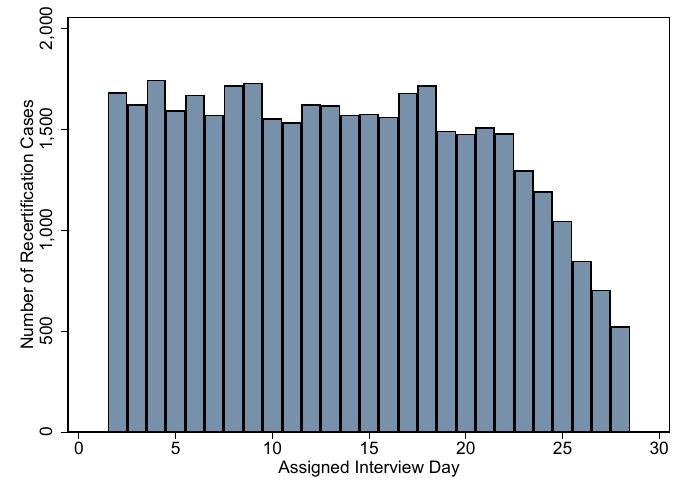
Figure 2: Earnings by Recertification Outcome
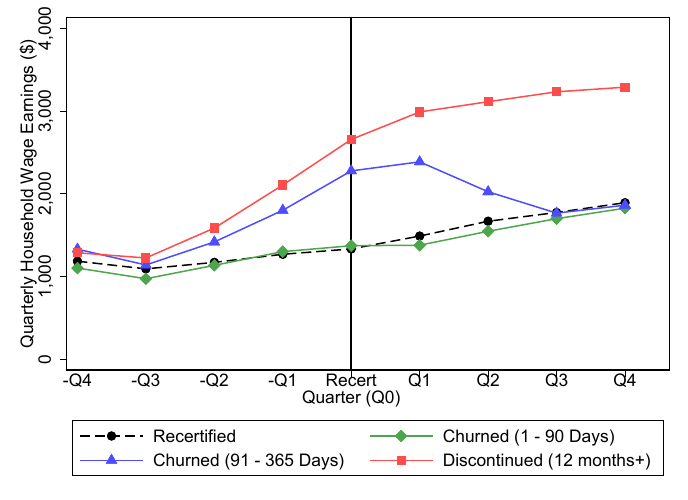
Figure 3: Recertification Rate by Interview Assignment
Recertification Rate
Ever Participated in Post-Recertification Year
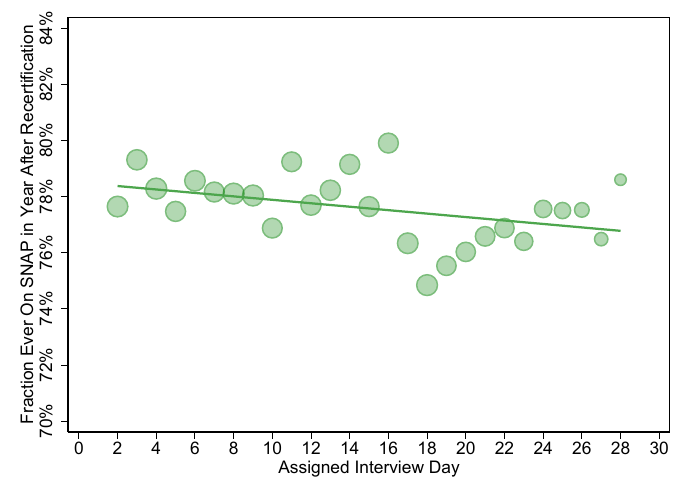
Figure 4: Effect of Interview Assignment on SNAP Participation by Week
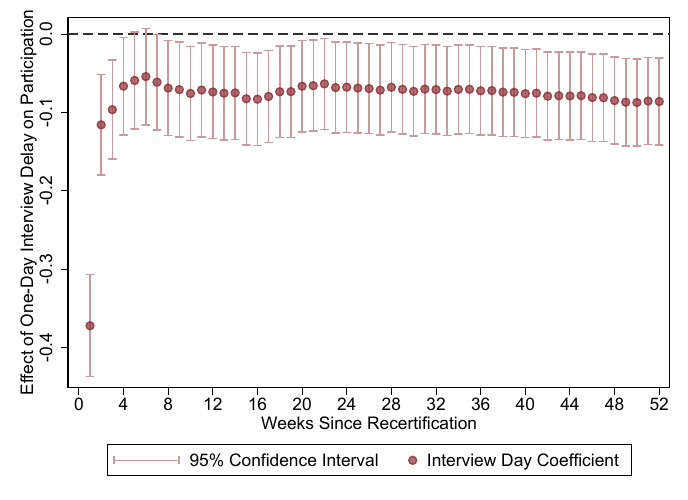
Figure 5: Effect of Recertification Failure on SNAP Benefit Receipt
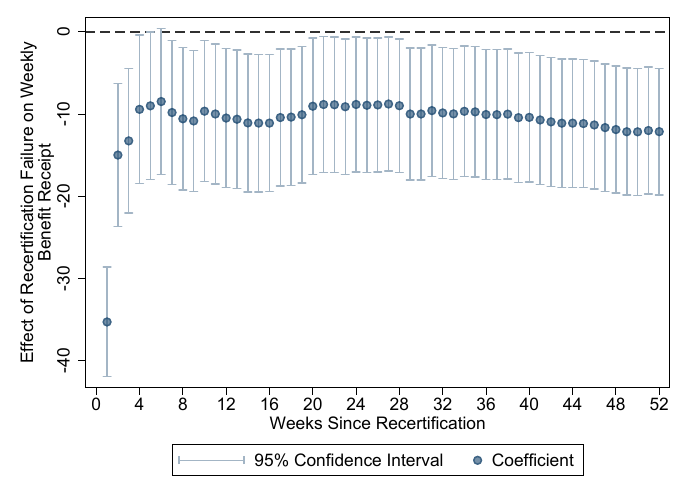
Table 1: Recertification Case Characteristics
| QC Data | QC Data | Full | Early | Late | ||
|---|---|---|---|---|---|---|
| Nationwide | California | Sample | Interview | Interview | prob\(>\)F | |
| (1) | (2) | (3) | (4) | (5) | (6) | |
| Case Characteristics | ||||||
| Household Size | 1.97 | 1.85 | 1.55 | 1.55 | 1.55 | 0.83 |
| Any Children (%) | 40.0 | 40.3 | 32.1 | 32.4 | 31.8 | 0.20 |
| Years Since First on SNAP | – | – | 4.8 | 4.8 | 4.8 | 0.21 |
| Monthly Benefits | $241 | $249 | $229 | $230 | $228 | 0.20 |
| Max SNAP Benefits (%) | 38.8 | 56.4 | 63.3 | 63.4 | 63.3 | 0.86 |
| Quarterly Wage Income | $1,049 | $1,270 | $1,693 | $1,689 | $1,698 | 0.79 |
| No Wage Income (%) | 71.7 | 63.8 | 65.6 | 65.8 | 65.3 | 0.31 |
| Non-English Speaking (%) | – | – | 30.7 | 31.0 | 30.4 | 0.22 |
| Household Head Demographics | ||||||
| Female (%) | 68.3 | 64.7 | 46.3 | 46.1 | 46.4 | 0.45 |
| Age | 45.6 | 43.1 | 42.6 | 42.5 | 42.6 | 0.54 |
| US Citizen (%) | 84.6 | 60.2 | 77.0 | 76.6 | 77.5 | 0.03 |
| Non-White (%) | 53.6 | 70.1 | 78.8 | 78.8 | 78.9 | 0.80 |
| Total Cases | 44,494 | 655 | 39,360 | 19,670 | 19,690 |
Table 2: Summary Statistics of Recertification Outcomes
| Full Sample | |
|---|---|
| Recertification Process Outcomes | |
| Completed First Attempted Interview | 67.8 |
| Completed Any Interview | 76.2 |
| Recertified | 48.3 |
| Post-Recertification Outcomes | |
| Churned (1 - 90 days) | 23.7 |
| Churned (91 - 365 Days) | 5.7 |
| Discontinued (12 months+) | 22.4 |
| Total Cases | 39,360 |
Table 3: Earnings by Recertification Outcome
| (1) | (2) | (3) | (4) | (5) | |
|---|---|---|---|---|---|
| Full Sample | Recertified | Churned | Churned | Discontinued | |
| (1 - 90 days) | (91 -365 days) | (12 months+) | |||
| Earnings \(<\) 200% FPL | 94.0 | 97.5 | 96.3 | 88.9 | 85.3 |
| No Wage Earnings | 65.6 | 68.7 | 68.1 | 58.9 | 57.9 |
| Total Cases | 39,360 | 18,996 | 9,315 | 2,231 | 8,818 |
Table 4: Effect of Interview Assignment on Recertification and SNAP Participation
| (1) | (2) | (3) | (4) | (5) | |
|---|---|---|---|---|---|
| Panel A: Recertified | |||||
| Interview Day | -0.377*** | -0.384*** | -0.372*** | -0.330*** | |
| (0.034) | (0.033) | (0.033) | (0.040) | ||
| Interview Week 2 | -1.63** | ||||
| (0.64) | |||||
| Interview Week 3 | -4.18*** | ||||
| (0.65) | |||||
| Interview Week 4 | -7.62*** | ||||
| (0.74) | |||||
| Panel B: Ever on SNAP in Year Post-Recertification | Panel B: Ever on SNAP in Year Post-Recertification | Panel B: Ever on SNAP in Year Post-Recertification | Panel B: Ever on SNAP in Year Post-Recertification | Panel B: Ever on SNAP in Year Post-Recertification | Panel B: Ever on SNAP in Year Post-Recertification |
| Interview Day | -0.098*** | -0.107*** | -0.083*** | -0.083** | |
| (0.029) | (0.028) | (0.028) | (0.035) | ||
| Interview Week 2 | -0.08 | ||||
| (0.54) | |||||
| Interview Week 3 | -1.62*** | ||||
| (0.56) | |||||
| Interview Week 4 | -1.17* | ||||
| (0.63) | |||||
| Case Randomization Controls | X | X | X | X | X |
| Demographics | X | X | X | X | |
| Initial Year | X | X | |||
| Sent Day | X | ||||
| Total Cases | 39,360 | 39,360 | 39,360 | 39,360 | 39,360 |
Table 5: Effect of Recertification Failure on Post-Recertification SNAP Participation
| (1) | (2) | |
|---|---|---|
| Outcome: | Post-Recert | SNAP |
| Participation | Benefits ($) | |
| Failed Recertification | -22.4*** | -558*** |
| (6.9) | (199) | |
| Outcome Mean | 77.6 | 2,103 |
| Total Cases | 39,360 | 39,360 |
Table 6: Effect of Interview Assignment by SNAP Benefit
| (1) | (2) | (3) | (4) | |
|---|---|---|---|---|
| Outcome: | Recertified | Post-Recert | Recertified | Post-Recert |
| Participation | Participation | |||
| Interview Day | -0.238*** | -0.074 | -0.411*** | -0.032 |
| (0.067) | (0.057) | (0.054) | (0.044) | |
| Benefit Amount | 4.571*** | 5.073*** | ||
| (0.452) | (0.368) | |||
| Interview Day X Benefit Amount | -0.058** | -0.004 | ||
| (0.026) | (0.019) | |||
| Max Benefit | -2.746** | 0.761 | ||
| (1.128) | (0.941) | |||
| Interview Day X Max Benefit | 0.063 | -0.082 | ||
| (0.066) | (0.056) | |||
| Outcome Mean | 48.3 | 77.6 | 48.3 | 77.6 |
| Total Cases | 39,360 | 39,360 | 39,360 | 39,360 |
Table 7: Effect of Recertification Failure on Post-Recertification Earnings
| (1) | (2) | |
|---|---|---|
| Outcome: | Annual Earnings ($) | Any Earnings (%) |
| Failed Recertification | -1,021 | 0.56 |
| (2,341) | (8.49) | |
| Outcome Mean | 7,612 | 44.1 |
| Total Cases | 39,360 | 39,360 |
Table 8: Effect of Interview Assignment on Interview Completion
| (1) | (2) | (3) | (4) | |
|---|---|---|---|---|
| Outcome: | Complete First | Complete First | Complete Any | Complete Any |
| Interview Day | -0.006 | -0.252*** | ||
| (0.027) | (0.023) | |||
| Interview Week 2 | -0.72 | -1.32*** | ||
| (0.51) | (0.43) | |||
| Interview Week 3 | -0.03 | -2.91*** | ||
| (0.52) | (0.45) | |||
| Interview Week 4 | 0.22 | -4.67*** | ||
| (0.60) | (0.52) | |||
| Outcome Mean | 67.8 | 67.8 | 76.2 | 76.2 |
| Total Cases | 39,360 | 39,360 | 39,360 | 39,360 |
Table 9: Effect of Interview Assignment by Communication Alert
| (1) | (2) | |
|---|---|---|
| Phone | Text | |
| Interview Day | -0.156** | -0.432*** |
| (0.068) | (0.048) | |
| Interview Day X Phone | -0.264*** | |
| (0.077) | ||
| Interview Day X Text | 0.167* | |
| (0.098) | ||
| DV Mean | 48.3 | 49.0 |
| Total Cases | 39,360 | 22,404 |
Appendix
Appendix Figure 1a: Notice of Expiration of Certification (CF-377.2)

Appendix Figure 1b: Recertification Appointment Letter (CF-29C)

Appendix Figure 1c: Missed Interview Letter (CF-386)

Appendix Figure 2: Recertification Packet Sent Day by Interview Assignment
Early Interview Assignments
Late Interview Assignments
Appendix Figure 3: Number of Churn Cases by Days since Disenrollment
Appendix Figure 4: Post-Recertification SNAP Participation Rate by Interview Assignment
Appendix Figure 5: Post-Recertification SNAP Benefit Receipt by Interview Assignment
Acknowledgments
Homonoff: Robert F. Wagner School of Public Service, New York University and NBER. Somerville: Federal Reserve Bank of New York. We gratefully acknowledge Manasi Deshpande, Peter Ganong, Colin Gray, Jacob Goldin, Doug Miller, Matt Notowidigdo, Ted O’Donoghue, Zhuan Pei, and Matt Unrath as well as conference and seminar participants at UC-Berkeley, Yale, Vanderbilt, Georgia State, UVA-Batten, Hunter-CUNY, NYU, Cornell, NBER-Public Economics, IRP-SRW, AEA, APPAM, and UPenn-CHIBE for conversations and suggestions that have greatly improved the quality of this project. We especially thank Peri Weisberg for providing data and guidance on policies and practices along with Mark Woo, Noelle Simmons, Dan Kelly, Taninha Ferreira, Yakob Kflom, Priscilla Prado, James Choi, Alan Geist at the San Francisco Human Services Agency and the California Department of Social Services as well as Nate Higgins and Rurui Kuang from the Social and Behavioral Sciences Team. The views expressed in this paper are those of the authors and do not necessarily reflect the position of the Federal Reserve Bank of New York or the Federal Reserve System. All remaining errors are our own.
References
Alatas, Vivi, Ririn Purnamasari, Matthew Wai-Poi, Abhijit Banerjee, Benjamin A Olken, and Rema Hanna. 2016. “Self-Targeting: Evidence from a Field Experiment in Indonesia.” Journal of Political Economy 124 (2): 371–427.
Armour, Philip. 2018. “The Role of Information in Disability Insurance Application: An Analysis of the Social Security Statement Phase-in.” American Economic Journal: Economic Policy 10 (3): 1–41.
Barr, Andrew, and Sarah Turner. 2018. “A Letter and Encouragement: Does Information Increase Postsecondary Enrollment of UI Recipients?” American Economic Journal: Economic Policy 10 (3): 42–68. https://doi.org/10.1257/pol.20160570.
Bertrand, Marianne, Sendhil Mullainathan, and Eldar Shafir. 2004. “A Behavioral Economics View of Poverty.” American Economic Review 94 (2): 419–23.
Bettinger, Eric P, Bridget Terry Long, Philip Oreopoulos, and Lisa Sanbonmatsu. 2012. “The Role of Application Assistance and Information in College Decisions: Results from the h&r Block FAFSA Experiment.” The Quarterly Journal of Economics 127 (3): 1205–42.
Bhargava, Saurabh, and Dayanand Manoli. 2015. “Psychological Frictions and the Incomplete Take-up of Social Benefits: Evidence from an IRS Field Experiment.” American Economic Review 105 (11): 3489–529.
Carr, Jillian B, and Analisa Packham. 2019. “SNAP Benefits and Crime: Evidence from Changing Disbursement Schedules.” Review of Economics and Statistics 101 (2).
Castleman, Benjamin L, and Lindsay C Page. 2016. “Freshman Year Financial Aid Nudges: An Experiment to Increase FAFSA Renewal and College Persistence.” Journal of Human Resources 51 (2): 389–415.
CBO. 2018. Federal Mandatory Spending for Means-Tested Programs, 2008 to 2028. Congressional Budget Office.
Chetty, Raj, John N Friedman, and Emmanuel Saez. 2013. “Using Differences in Knowledge Across Neighborhoods to Uncover the Impacts of the EITC on Earnings.” American Economic Review 103 (7): 2683–721.
Cunnyngham, Karen E. 2019. “Reaching Those in Need: Estimates of State Supplemental Nutrition Assistance Program Participation Rates in 2016.” Mathematica Policy Research.
Currie, Janet. 2006. “The Take-up of Social Benefits.” In Poverty, the Distribution of Income, and Public Policy, edited by Alan Auerbach, David Card, and John Quigley. New York: Russell Sage.
Currie, Janet, and Jeffrey Grogger. 2001. “Explaining Recent Declines in Food Stamp Program Participation.” Brookings-Wharton Papers on Urban Affairs, 203–44.
Deshpande, Manasi, and Yue Li. 2019. “Who Is Screened Out? Application Costs and the Targeting of Disability Programs.” American Economic Journal: Economic Policy 11 (4): 213–48.
Edin, Kathryn, Melody Boyd, James Mabli, et al. 2013. SNAP Food Security in-Depth Interview Study. Mathematica Policy Research.
Finkelstein, Amy, and Matthew J Notowidigdo. 2019. “Take-up and Targeting: Experimental Evidence from SNAP.” The Quarterly Journal of Economics 134 (3): 1505–56.
FNS. 2018. SNAP Recertification Toolkit. USDA.
Ganong, Peter, and Jeffrey B. Liebman. 2018. “The Decline, Rebound, and Further Rise in SNAP Enrollment: Disentangling Business Cycle Fluctuations and Policy Changes.” American Economic Journal: Economic Policy 10 (4): 153–76. https://doi.org/10.1257/pol.20140016.
Geller, Daniel, Julia Isaacs, Breno Braga, and Borjan Zic. 2019. “Exploring the Causes of State Variation in SNAP Administrative Costs.” Manhattan Strategy Group and the Urban Institute for the U.S. Department of Agriculture, Food and Nutrition Service.
Gennetian, Lisa A, Roopa Seshadri, Nathan D Hess, Aaron N Winn, and Robert M Goerge. 2016. “Supplemental Nutrition Assistance Program (SNAP) Benefit Cycles and Student Disciplinary Infractions.” Social Service Review 90 (3): 403–33.
Gray, Colin. 2019. “Leaving Benefits on the Table: Evidence from SNAP.” Journal of Public Economics 179: 104054.
Hastings, Justine, and Jesse M Shapiro. 2018. “How Are SNAP Benefits Spent? Evidence from a Retail Panel.” American Economic Review 108 (12): 3493–540.
Heffetz, Ori, Ted O’Donoghue, and Henry S Schneider. 2016. Forgetting and Heterogeneity in Task Delay: Evidence from New York City Parking-Ticket Recipients. Working Paper No. 23012. Working Paper Series. National Bureau of Economic Research. https://doi.org/10.3386/w23012.
Heinrich, Carolyn J. 2015. “The Bite of Administrative Burden: A Theoretical and Empirical Investigation.” Journal of Public Administration Research and Theory 26 (3): 403–20.
Herd, Pamela, and Donald P Moynihan. 2019. Administrative Burden: Policymaking by Other Means. Russell Sage Foundation.
Hoynes, Hilary Williamson, and Diane Whitmore Schanzenbach. 2012. “Work Incentives and the Food Stamp Program.” Journal of Public Economics 96 (1-2): 151–62.
Kabbani, Nader S., and Parke E. Wilde. 2003. “Short Recertification Periods in the u.s. Food Stamp Program.” The Journal of Human Resources 38: 1112–38. http://www.jstor.org/stable/3558983.
Karlan, Dean, Margaret McConnell, Sendhil Mullainathan, and Jonathan Zinman. 2016. “Getting to the Top of Mind: How Reminders Increase Saving.” Management Science 62 (12): 3393–411.
Madrian, Brigitte C, and Dennis F Shea. 2001. “The Power of Suggestion: Inertia in 401(k) Participation and Savings Behavior.” The Quarterly Journal of Economics 116 (4): 1149–87.
Milkman, Katherine L, John Beshears, James J Choi, David Laibson, and Brigitte C Madrian. 2011. “Using Implementation Intentions Prompts to Enhance Influenza Vaccination Rates.” Proceedings of the National Academy of Sciences 108 (26): 10415–20.
Mills, Gregory, Tracy Vericker, Heather Koball, Kye Lippold, Laura Wheaton, and Sam Elkin. 2014. Understanding the Rates, Causes, and Costs of Churning in the Supplemental Nutrition Assistance Program. United States Department of Agriculture, Food; Nutrition Service, Office of Policy Support.
Nichols, Albert L, and Richard J Zeckhauser. 1982. “Targeting Transfers Through Restrictions on Recipients.” American Economic Review 72 (2): 372–77.
Pei, Zhuan. 2017. “Eligibility Recertification and Dynamic Opt-in Incentives in Income-Tested Social Programs: Evidence from Medicaid/CHIP.” American Economic Journal: Economic Policy 9 (1): 241–76.
Ribar, David C, Marilyn Edelhoch, and Qiduan Liu. 2008. “Watching the Clocks: The Role of Food Stamp Recertification and TANF Time Limits in Caseload Dynamics.” Journal of Human Resources 43 (1): 208–38.
Rossin-Slater, Maya. 2013. “WIC in Your Neighborhood: New Evidence on the Impacts of Geographic Access to Clinics.” Journal of Public Economics 102: 51–69.
Seligman, Hilary K, Ann F Bolger, David Guzman, Andrea López, and Kirsten Bibbins-Domingo. 2014. “Exhaustion of Food Budgets at Month�s End and Hospital Admissions for Hypoglycemia.” Health Affairs 33 (1): 116–23.
Shapiro, Jesse M. 2005. “Is There a Daily Discount Rate? Evidence from the Food Stamp Nutrition Cycle.” Journal of Public Economics 89 (2): 303–25.